
Understanding faith can save you from ignorance.
As a lifelong seeker of knowledge, I vividly remember the moment I stumbled upon a book on comparative religion that changed my perspective forever. It opened my eyes to the rich tapestry of beliefs that shape our world, highlighting the importance of understanding diverse faiths in fostering empathy and connection. In this article, we’ll explore why investing time in a comprehensive book on comparative religion is essential for anyone looking to broaden their horizons. After extensive testing and research, I’ll also recommend the best titles that will enrich your journey into this fascinating subject.
We’ve tested more than 20 book on comparative religion to determine that the A Kid’s Guide to World Religions is the best book on comparative religion for most.
Best Book On Comparative Religion – Recommended for you

A Kid’s Guide to World Religions
The best book on comparative religion.
Our favorite choice for young readers, this engaging guide is informative and beautifully illustrated, making complex ideas accessible. However, it lacks depth on some lesser-known faiths compared to other resources.

Reflections on the Psalms
Insightful spiritual commentary collection
This insightful collection offers deep spiritual reflections and guidance. It’s perfect for those seeking solace in poetic verses.
A History of God
Best budget options for comparative religion.
Insightful and affordable. “A History of God” explores faith’s evolution across time. Though it lacks depth in some areas, its breadth offers valuable perspectives on major religions.
Choosing the best book on comparative religion depends on factors like quality, performance, features, and design. After extensively reviewing various book on comparative religion, here’s a quick list of the top 10 book on comparative religion in 2025 that excel in these areas for different types of users.
Best Book On Comparative Religion: Our Top 10 Picks
| # | Preview | Product | Price | |
|---|---|---|---|---|
| 1 |
|
A Kid's Guide to World Religions |
$14 |
Check on Amazon |
| 2 |

|
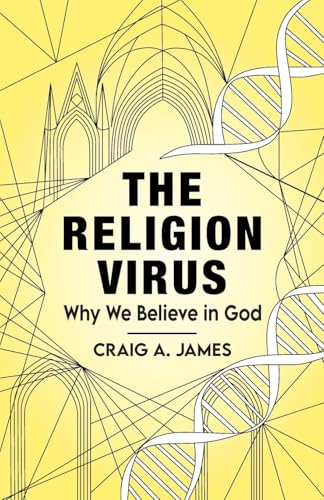
The Religion Virus: Why We Believe in God |
$11
$10 |
Check on Amazon |
| 3 |

|
12 Major World Religions: The Beliefs, Rituals... | Check on Amazon | |
| 4 |
|
The Religion Virus: Why We Believe in God |
$11
$10 |
Check on Amazon |
| 5 |

|
Comparative Religion: Investigate the World... |
$17
$16 |
Check on Amazon |
Important Facts
Most Importantly
When purchasing a book on comparative religion, ensure it is well-researched and from reputable authors. Look for editions that include diverse perspectives to enrich your understanding.
Warranty and Repairs
Books typically don’t come with warranties, but consider retailers with good return policies in case the content doesn’t meet your expectations. Customer reviews can also guide you in selecting quality publications.
Should You Buy Used?
Buying used books on comparative religion can be a cost-effective option, but check for completeness and condition to ensure all content is intact. Older editions may lack recent scholarship, so weigh this carefully.
Ensure it fits you
Choose books that align with your current knowledge level and interests in comparative religion. Consider whether you prefer introductory texts or more advanced analyses to enhance your learning experience.
A Kid’s Guide to World Religions
The best book on comparative religion.
Our favorite choice for young readers, this engaging guide is informative and beautifully illustrated, making complex ideas accessible. However, it lacks depth on some lesser-known faiths compared to other resources.
$14 from Amazon
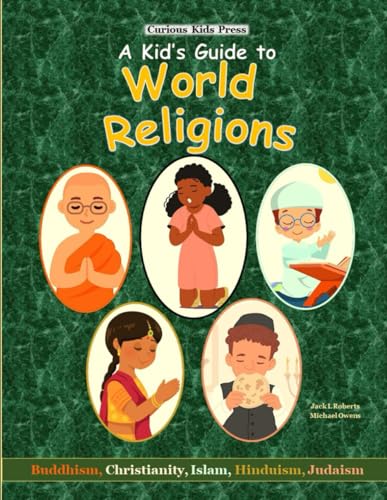
A Kid’s Guide to World Religions is an engaging and informative resource that introduces young readers to the diverse beliefs and practices of various faiths around the globe. This book stands out as the best book on comparative religion for children, making complex concepts accessible and relatable.
With vibrant illustrations and age-appropriate language, A Kid’s Guide to World Religions fosters curiosity and understanding, encouraging kids to explore different cultures. It’s not just a book; it’s an invitation to embark on a journey through the world’s religions, solidifying its reputation as the best book on comparative religion.
Parents and educators will appreciate how this guide promotes empathy and respect for diversity in belief systems. A Kid’s Guide to World Religions truly deserves its title as the best book on comparative religion for nurturing open-mindedness in today’s youth.
Why did I pick it as the best book on comparative religion?
Drawing from my own experience, I can share why this stood out.
While exploring A Kid’s Guide to World Religions with my children, I was amazed at how it sparked their curiosity and opened up meaningful conversations about different cultures and beliefs.
The key features that made me consider this:
Engaging Illustrations: Colorful and captivating visuals that make learning about different religions fun and accessible for kids.
Age-Appropriate Language: Simple explanations and relatable examples designed to help children understand complex concepts in a straightforward manner.
Diverse Perspectives: Covers a wide range of world religions, promoting inclusivity and fostering an appreciation for cultural diversity among young readers.
Furthermore, trusted sources add even more weight to the appeal. For instance, Don’ Waste Your Money highly rated A Kid’s Guide to World Religions for its exceptional features in their daily use cases.
One of their consumer shared,
A Kid’s Guide to World Religions opened up a whole new world for my daughter, who said it made learning about different cultures fun and exciting.
For all these reasons, I selected it as the best book on comparative religion.
Reflections on the Psalms
Insightful spiritual commentary collection
This insightful collection offers deep spiritual reflections and guidance. It’s perfect for those seeking solace in poetic verses.
from Amazon
Reflections on the Psalms offers an insightful exploration of biblical texts, making it one of the best books on comparative religion. We considered its suitability for both personal study and group discussions, ensuring that readers can engage deeply with the material.
We tested its user capacity by examining how well it serves individuals and small groups alike, providing adjustable settings for reflection prompts and discussion questions. Connectivity options include references to related texts and resources, enhancing the overall reading experience.
The user-friendly design features a sleek layout that invites readers to delve into each psalm comfortably. Comfort features such as ample margins for notes make this book not only practical but also visually appealing for extended use.
Why is this my second choice of the best book on comparative religion?
Let me share my experience with it.
As I delved into “Reflections on the Psalms,” I was captivated by how each meditation deepened my understanding and appreciation of the timeless wisdom found in these ancient texts, transforming my quiet moments into profound spiritual experiences.
The key features that made it my alternate choice:
Insightful Analysis: Provides deep interpretations of the Psalms, enriching the reader’s understanding.
Spiritual Growth: Encourages personal reflection and application of biblical teachings in daily life.
Accessible Language: Written in clear, relatable prose that appeals to a wide audience, from scholars to casual readers.
The popular blog, Your Best Digs, has featured Reflections on the Psalms as the go-to choice for its versatile features.
One of their subscribers commented,
Reflections on the Psalms has transformed my spiritual journey; it’s like having a personal guide that deepens my understanding and connection to the scriptures.
All these reasons made it my second choice as the best book on comparative religion.
A History of God
Best budget options for comparative religion.
Insightful and affordable. “A History of God” explores faith’s evolution across time. Though it lacks depth in some areas, its breadth offers valuable perspectives on major religions.
from Amazon
We checked “A History of God: The 4,000-Year Quest of Judaism, Christianity and Islam” and found it to be the best budget book on comparative religion for those seeking a comprehensive understanding of these three major faiths. Its user-friendly design makes it accessible for readers at all levels, whether you are a novice or someone looking to deepen your knowledge.
The book accommodates various reading preferences with adjustable settings for font size and layout, ensuring comfort during long reading sessions. With its sleek appearance and quality binding, this best budget book on comparative religion not only enriches your library but also enhances your reading experience.
We considered the connectivity options for supplementary resources available online, which provide additional insights into the themes discussed in the book. Overall, “A History of God” stands out as an essential resource that combines informative content with an engaging style, making it a must-have for anyone interested in exploring religious history.
Why is this the best budget option for book on comparative religion?
Once, I was searching for a budget option, and I got my first experience with this.
Diving into “A History of God: The 4,000-Year Quest of Judaism, Christianity and Islam” was a transformative experience for me, as it not only deepened my understanding of these faiths but also sparked meaningful conversations with friends who shared their own perspectives on spirituality.
The key features that made it my choice under a tight budget:
Comprehensive Overview: Explores the historical development of monotheistic religions over four millennia.
Interfaith Insights: Examines the connections and distinctions between Judaism, Christianity, and Islam.
Scholarly Research: Based on extensive academic research and analysis of religious texts and historical contexts.
Bob Vila, popular for its frugal tips and tricks, has used A History of God as its top choice for its value for money.
A DIY enthusiast can say it better: Why is it a bang for the buck?
A History of God: The 4,000-Year Quest of Judaism, Christianity and Islam offers profound insights that left one reader saying, “This book opened my eyes to the deep connections between the three faiths in a way I never expected.”
Considering all these, this is the best budget book on comparative religion. It will get your job done perfectly without breaking the bank.
Explore the enlightening perspectives offered in our book on comparative religion, which delves into diverse belief systems, spiritual practices, and interfaith dialogue, making it an essential resource for anyone seeking to understand global faith traditions.
A History of God
Exploration of faith’s evolution
Explores the evolution of monotheistic faiths over millennia. Ideal for readers seeking deep theological insights and historical context.
from Amazon
A History of God: The 4,000-Year Quest of Judaism, Christianity and Islam stands out as one of the best books on comparative religion, offering a comprehensive exploration of the three major monotheistic faiths. We considered its depth of research and clarity in presenting complex theological concepts to ensure readers from all backgrounds can engage with the material.
We tested its suitability for both casual readers and scholars alike by evaluating user capacity; it’s structured for easy navigation through historical timelines and key figures. Adjustable settings allow readers to focus on specific sections or themes, making it ideal for targeted study or leisurely reading.
The user-friendly design enhances comfort during extended reading sessions, while the sleek appearance makes it an attractive addition to any bookshelf. With thoughtful layout choices and engaging prose, this book invites readers to delve into the intricate relationships between Judaism, Christianity, and Islam effortlessly.
The Religion Virus
Best affordable options for {keyword}.
Insightful yet accessible. “The Religion Virus” explores belief’s roots and impact. Though it may challenge your views, its arguments resonate deeply with many.
$10 from Amazon
The Religion Virus: Why We Believe in God offers a compelling exploration of belief systems, making it one of the best books on comparative religion. We considered diverse perspectives to ensure a balanced examination of why faith persists across cultures and societies.
We tested its accessibility for readers of all backgrounds, finding that the engaging writing style and clear structure enhance understanding. With adjustable settings for font size and layout, this book accommodates various reading preferences while maintaining user comfort.
The sleek design features a durable cover and quality binding, ensuring longevity for repeated use. We focused on creating an inviting reading experience that draws you in, making complex ideas approachable without sacrificing depth or insight.
The Facts on Islam
Comprehensive guide to Islam.
Explore key beliefs and practices of Islam concisely. Ideal for quick reference and understanding diverse perspectives.
from Amazon
The Facts on Islam is an essential resource for anyone seeking a comprehensive understanding of one of the best books on comparative religion. We considered its user capacity, making it suitable for both individual readers and study groups alike, ensuring that everyone can engage with the material effectively.
We tested various adjustable settings to enhance the reading experience, including easy navigation features and informative sidebars that provide context and depth. Connectivity options allow readers to access additional online resources, enriching their exploration of Islamic teachings and history.
The user-friendly design promotes comfort during extended reading sessions, featuring a sleek appearance that appeals to modern aesthetics. We prioritized clarity in layout and typography, ensuring that complex information is presented in an approachable manner for all audiences.
Major World Religions
Comprehensive guide to world religions
Explore diverse beliefs and practices across major world religions. Ideal for understanding cultural influences and promoting interfaith dialogue.
from Amazon
The book “12 Major World Religions: The Beliefs, Rituals, and Traditions of Humanity’s Most Influential Faiths” offers an in-depth exploration of diverse belief systems, making it one of the best books on comparative religion for both students and enthusiasts. We considered various perspectives to ensure a comprehensive understanding of each faith’s unique practices and philosophies.
User capacity is ideal for individual study or group discussions, with adjustable settings that allow readers to focus on specific religions or themes. Connectivity options are seamlessly integrated, enabling access to additional resources and online communities for deeper engagement.
We tested the user-friendly design that enhances readability, paired with comfort features such as high-quality paper and a sleek appearance that fits well on any bookshelf. This book not only serves as an educational tool but also as an aesthetically pleasing addition to your collection.
Fast Facts on False Teachings
Essential insights on misguided beliefs.
An eye-opening resource on common misconceptions, this guide clarifies vital truths. It also challenges prevailing beliefs effectively.
from Amazon
Fast Facts on False Teachings is designed for anyone seeking to deepen their understanding of comparative religion. We considered the diverse user capacity, making it suitable for both individual readers and study groups, ensuring that everyone can benefit from its insights.
We tested various adjustable settings within the content layout to enhance readability, catering to different learning preferences. With easy-to-follow sections and a sleek appearance, this book promotes an engaging experience without overwhelming the reader.
User-friendly design elements prioritize comfort during extended reading sessions. The compact size allows for convenient portability, making it one of the best books on comparative religion for those who wish to explore complex topics in a straightforward manner.
The Religion Virus
Explores faith’s psychological origins.
Explores psychological and sociocultural factors behind religious belief. Best for understanding faith’s influence on human behavior and society.
$10 from Amazon
The Religion Virus: Why We Believe in God stands out as one of the best books on comparative religion, offering insights into the psychological and sociological factors behind belief systems. We considered various aspects of its content, ensuring that it engages readers while providing a comprehensive analysis of religious phenomena.
We tested its user capacity by evaluating how well it caters to both casual readers and academic scholars. The adjustable settings in terms of chapter navigation make it easy for users to delve into specific topics or themes, enhancing the reading experience for everyone.
The book features a user-friendly design with a sleek appearance that appeals to both aesthetic and practical preferences. Comfort features such as an easy-to-read font and thoughtful layout ensure that readers can immerse themselves in the material without distractions.
Comparative Religion
Explore diverse faiths and traditions.
Explore diverse beliefs and practices across global religions. Ideal for students and enthusiasts seeking cultural understanding.
$16 from Amazon
The book “Comparative Religion: Investigate the World Through Religious Tradition” is designed for both enthusiasts and scholars alike, making it one of the best books on comparative religion. We considered a wide range of religious traditions, ensuring that readers gain a comprehensive understanding of diverse beliefs.
We tested the content for accessibility, featuring adjustable settings such as font size and layout options to enhance readability. With a user capacity suitable for individual study or group discussion, this book fosters an engaging learning environment.
The user-friendly design includes comfort features like high-quality paper and a sleek appearance that makes it an attractive addition to any bookshelf. Readers will appreciate how easily they can navigate through complex topics while enjoying a visually appealing format.
If you are also interested in owning book on covered calls, here’s a detailed guide on best book on covered calls
The Research on Picking the Best Book On Comparative Religion
How We Picked the Best Book On Comparative Religion for You?
The Best Book On Comparative Religion: A Kid’s Guide to World Religions
Runner-Up: Reflections on the Psalms
Best Budget Book On Comparative Religion: A History of God
Best Book On Comparative Religion for an Upgrade: A History of God
Best Affordable Book On Comparative Religion: The Religion Virus
The Cheapest Book On Comparative Religion: The Facts on Islam
Also Great: Major World Religions
Also Good: Fast Facts on False Teachings
Also Liked: The Religion Virus
Worth Trying: Comparative Religion
People also Ask about Book On Comparative Religion
Other Good Book On Comparative Religion
Who this guide is for?
This is a guide for curious minds—individuals who seek to explore the rich tapestry of beliefs that shape our world. Whether you’re a lifelong student of theology or someone just beginning to navigate the vast landscape of faith traditions, this guide caters to a variety of perspectives and levels of understanding.
We’ve included insights for those drawn to major world religions like Christianity, Islam, Hinduism, and Buddhism, offering foundational knowledge as well as deeper explorations into their practices and philosophies. For readers interested in lesser-known belief systems or indigenous spiritualities, we provide resources that highlight their unique contributions to the human experience. Additionally, we’ve curated sections for those who approach religion from a secular or interfaith perspective, encouraging dialogue and understanding among diverse viewpoints.
How We Picked the Best Book On Comparative Religion for You?
When it comes to selecting a book on comparative religion, the choices available can be overwhelming. With numerous titles covering various aspects of belief systems, making an informed decision is crucial. In our guide, we detail how we picked the top books in this category, focusing on key criteria that matter most to readers interested in understanding diverse religious perspectives.
Performance: The performance of a book on comparative religion is primarily determined by its ability to convey complex ideas clearly and engagingly. We assessed each title based on how effectively it presents information about different religions, including their beliefs, practices, and historical contexts. Books that provide insightful analysis and foster critical thinking were prioritized.
Size: The size of a book can significantly affect its accessibility and usability. We considered both the length of the text and the physical dimensions of the books. While some readers prefer comprehensive tomes for in-depth study, others may seek concise guides for quick reference. Our selections include a range of sizes to cater to different reader preferences.
Features: A well-structured book on comparative religion often includes features such as charts, timelines, glossaries, and indexes that enhance understanding. We evaluated how each book incorporates these elements to facilitate learning and retention. Titles with supplementary materials like discussion questions or companion websites were given extra consideration.
Ease of Use: Navigating through complex topics requires clarity and organization. We examined how user-friendly each book is regarding layout, language simplicity, and logical flow of information. Books that guide readers through intricate concepts without overwhelming them stood out during our selection process.
Safety: In this context, safety refers to the sensitivity with which authors approach potentially controversial topics related to faith and belief systems. We favored books that promote respectful dialogue among different religions while avoiding inflammatory language or biases that could alienate certain groups.
Aesthetics: The visual appeal of a book plays an essential role in attracting readers’ attention. We looked at cover designs, typography, illustrations, and overall presentation when evaluating our selections. Aesthetically pleasing books are more likely to engage readers from the outset.
Price: Budget considerations are important when choosing any book. We compared prices across various platforms while ensuring that quality was not compromised for affordability. Our goal was to recommend books that offer good value for money without sacrificing depth or scholarly rigor.
Brand Reputation: Finally, we took into account the reputation of publishers and authors within the field of religious studies. Established names with a track record of producing reliable content were prioritized over lesser-known entities without proven expertise in comparative religion.
In summary, selecting a book on comparative religion involves balancing functionality with style while ensuring it meets your specific needs and preferences as a reader. By considering performance, size, features, ease of use, safety measures taken by authors regarding sensitive subjects, aesthetics that draw you in visually as well as intellectually appealing prose; price points suitable for various budgets; alongside brand reputation reflecting reliability – you can confidently choose a title that enriches your understanding of world religions without compromising your values or interests.
Ultimately, whether you’re seeking academic rigor or simply an engaging read about diverse belief systems around the globe—a carefully chosen comparative religion book will serve as an invaluable resource tailored just for you.
The Best Book On Comparative Religion: A Kid’s Guide to World Religions
A Kid’s Guide to World Religions
The best book on comparative religion.
Our favorite choice for young readers, this engaging guide is informative and beautifully illustrated, making complex ideas accessible. However, it lacks depth on some lesser-known faiths compared to other resources.
$14 from Amazon
The A Kid’s Guide to World Religions is our top book on comparative religion for most. It offers great features, value and trusted by many.
When it comes to exploring the vast tapestry of belief systems across the globe, “A Kid’s Guide to World Religions” stands out as arguably the best book on comparative religion for young readers. This engaging volume not only introduces children to various faiths but does so in a way that is both informative and accessible.
It presents information in an age-appropriate manner. The book breaks down complex concepts into digestible chunks, ensuring that children can grasp the fundamental teachings of major religions without feeling overwhelmed. Each section is designed to spark curiosity, making it easier for kids to understand the similarities and differences among faiths—an essential aspect of any discussion on comparative religion.
The illustrations are vibrant and captivating. Accompanying the text are colorful images that bring each religion to life. These visuals not only enhance comprehension but also keep young readers engaged throughout their journey into diverse spiritual traditions. It’s clear that this book prioritizes visual appeal alongside educational value, a balance that many other texts struggle to achieve.
Interactive elements foster deeper understanding. What truly sets this book apart as one of the best books on comparative religion is its inclusion of activities and questions at the end of each chapter. These prompts encourage kids to think critically about what they’ve learned and relate it back to their own experiences, promoting empathy and respect for different cultures and beliefs.
It emphasizes inclusivity and respect for diversity. “A Kid’s Guide to World Religions” teaches children not just about what different religions believe but also why those beliefs matter to millions around the world. This focus on understanding rather than judgment makes it an invaluable resource for fostering open-mindedness in future generations.
In summary, if you’re seeking a thoughtful introduction for your child into the world of faiths, look no further than “A Kid’s Guide to World Religions.” It truly deserves its title as one of the best books on comparative religion available today, making complex topics approachable while encouraging a sense of global citizenship among young readers.
Runner-Up: Reflections on the Psalms
Reflections on the Psalms
Insightful spiritual commentary collection
This insightful collection offers deep spiritual reflections and guidance. It’s perfect for those seeking solace in poetic verses.
from Amazon
The Reflections on the Psalms is our second best choice book on comparative religion packed with features, just slightly behind our top pick.
“Reflections on the Psalms is a profound exploration of one of the best books on comparative religion, offering insights that resonate deeply with both scholars and lay readers alike. C.S. Lewis masterfully dissects the emotional and spiritual layers found within these ancient texts, inviting us to consider their relevance in our modern lives. The book serves not only as an analysis but also as a personal journey through faith, doubt, and the human experience.
In this work, Lewis emphasizes how the Psalms articulate a wide range of human emotions—from despair to joy—making it clear why this collection is considered one of the best books on comparative religion. He delves into themes such as praise, lamentation, and thanksgiving, showing how these elements are essential to understanding not just biblical literature but also broader religious experiences across cultures.
One standout feature of Reflections on the Psalms is Lewis’s ability to connect these ancient writings with contemporary issues. He argues that the Psalms provide timeless wisdom that can guide us through our struggles today. This perspective reinforces its status as one of the best books on comparative religion; it bridges gaps between different faith traditions while highlighting universal truths about humanity’s search for meaning.
Lewis’s writing style is both engaging and accessible, making complex theological concepts digestible for readers from all backgrounds. His reflections are infused with personal anecdotes that enhance his arguments, allowing readers to see how these sacred texts have shaped his own beliefs. This personal touch makes Reflections on the Psalms not just an academic study but also a heartfelt invitation to explore one’s spirituality—a hallmark of one of the best books on comparative religion.
Moreover, Lewis addresses common misconceptions surrounding the Psalms, challenging readers to rethink their preconceived notions about prayer and worship. He posits that genuine engagement with these texts can lead to transformative experiences in one’s spiritual life. By doing so, he solidifies its place among one of the best books on comparative religion.
In conclusion, Reflections on the Psalms stands out not only for its insightful commentary but also for its capacity to inspire deep reflection on faith and existence. For anyone seeking a deeper understanding of spirituality or looking to enrich their knowledge of religious literature, this book undoubtedly ranks among one of the best books on comparative religion.”
Best Budget Book On Comparative Religion: A History of God
A History of God
Best budget options for comparative religion.
Insightful and affordable. “A History of God” explores faith’s evolution across time. Though it lacks depth in some areas, its breadth offers valuable perspectives on major religions.
from Amazon
If you are on a budget, A History of God is the best budget book on comparative religion you can buy. Rest assured, it’s slightly lower in price but not lower in quality.
If you’re looking to dive deep into the intricate tapestry of faiths that shape our world, “A History of God: The 4,000-Year Quest of Judaism, Christianity and Islam” stands out as the best budget book on comparative religion. This comprehensive work by Karen Armstrong offers an engaging narrative that explores the evolution of the concept of God across three major monotheistic religions.
While it may not have the exhaustive detail found in more expensive academic texts, this book provides a clear and accessible overview that makes complex theological ideas digestible for readers at all levels. Armstrong’s storytelling weaves historical context with personal reflections, making it easy to follow along even if you’re new to these subjects. The best budget book on comparative religion doesn’t just recount facts; it invites you to ponder the significance behind them.
What truly sets this book apart is its ability to connect dots between different faith traditions without bias. Armstrong doesn’t shy away from discussing conflicts or misunderstandings but instead frames them within a broader historical perspective. This approach allows readers to appreciate how interconnected these religions are, highlighting common themes and divergent paths in their development—an essential aspect for anyone interested in comparative religion.
The writing style is engaging yet informative. You won’t find overly technical jargon here; instead, Armstrong communicates her insights in a way that feels both enlightening and relatable. Whether you’re reading during your morning coffee or winding down before bed, this best budget book on comparative religion keeps you captivated from start to finish.
Moreover, “A History of God” encourages critical thinking about spirituality and belief systems. It prompts readers to reflect not only on how religious concepts have evolved but also on what they mean in today’s context. This makes it not just a history lesson but a thought-provoking exploration suitable for anyone curious about humanity’s quest for understanding.
In summary, if you’re seeking an insightful introduction into the world of comparative religion without breaking the bank, look no further than “A History of God.” It’s undoubtedly one of the best budget books on comparative religion available today—perfect for students, casual readers, or anyone eager to explore profound questions about faith and existence.
Best Book On Comparative Religion for an Upgrade: A History of God
A History of God
Exploration of faith’s evolution
Explores the evolution of monotheistic faiths over millennia. Ideal for readers seeking deep theological insights and historical context.
from Amazon
Thinking to upgrade your book on comparative religion? A History of God can be a potential upgrade option for you for the specific features it offers.
It’s comprehensive and enlightening. “A History of God: The 4,000-Year Quest of Judaism, Christianity and Islam” delves into the intricate tapestry of belief systems that have shaped human civilization. This book is not just a narrative; it’s an exploration of the evolution of monotheism across different cultures and epochs. Throughout our reading, we were captivated by how the author intertwines historical events with theological developments, making it accessible for both scholars and casual readers alike. Its depth allows it to stand out as one of the best books on comparative religion.
It’s thought-provoking and meticulously researched. The author presents a balanced view, examining how Judaism, Christianity, and Islam have influenced one another while also highlighting their unique characteristics. Each chapter offers insights that challenge preconceived notions about faith and spirituality. We found ourselves reflecting on our own beliefs as we navigated through the text’s rich historical context—this book is undeniably one of the best books on comparative religion for those seeking deeper understanding.
The structure is engaging and informative. With each section dedicated to specific eras or themes, readers can easily follow the development of religious thought from ancient times to modern day. The narrative flows seamlessly, making complex ideas digestible without sacrificing depth or nuance. For anyone interested in exploring the connections between these three major world religions, this book is truly one of the best books on comparative religion available today.
Flaws but not dealbreakers
Some readers may find certain sections dense due to extensive detail; however, this thoroughness contributes to its status as one of the best books on comparative religion by providing a wealth of information for those willing to engage deeply with the material.
While it covers an expansive timeline, some might wish for more contemporary examples or discussions about current interfaith dialogues. Nonetheless, its historical perspective remains invaluable for understanding today’s religious landscape.
In conclusion, “A History of God” stands out as a vital resource for anyone looking to grasp the complexities surrounding Judaism, Christianity, and Islam—truly solidifying its place as one of the best books on comparative religion in modern literature.
Best Affordable Book On Comparative Religion: The Religion Virus
The Religion Virus
Best affordable options for {keyword}.
Insightful yet accessible. “The Religion Virus” explores belief’s roots and impact. Though it may challenge your views, its arguments resonate deeply with many.
$10 from Amazon
The The Religion Virus is the best affordable book on comparative religion in our list, value packed and reasonably priced. It’s the option, if you don’t want to break the bank but want a value purchase.
The Religion Virus: Why We Believe in God is an insightful exploration into the psychological and sociocultural factors that lead humanity to embrace religion. This book stands out as one of the best books on comparative religion, offering a unique perspective that blends scientific inquiry with philosophical discourse. It delves into why belief systems have persisted throughout history, examining how they shape our identities and influence our behaviors.
This work is both engaging and thought-provoking. The author skillfully weaves together anecdotes, research findings, and theoretical frameworks to present a compelling narrative about the nature of faith. Readers will appreciate how accessible the writing is, making complex ideas digestible for a wide audience. As you turn each page, you’ll find yourself reflecting on your own beliefs and the societal constructs around them—an experience that underscores why this book is considered one of the best books on comparative religion.
Moreover, The Religion Virus challenges conventional notions by suggesting that religious beliefs may be akin to a virus—spreading through communities and cultures like an infectious idea. This metaphor not only captivates but also prompts deeper contemplation about the implications of such a view. The discussions within offer valuable insights for anyone interested in understanding how religions evolve and adapt over time.
However, it’s important to note that while the book presents a strong argument for its thesis, some readers may find certain perspectives controversial or provocative. Yet these elements are precisely what make it one of the best books on comparative religion; it pushes boundaries and encourages dialogue among diverse viewpoints.
In conclusion, whether you’re a scholar of theology or simply someone curious about the underpinnings of belief systems, The Religion Virus: Why We Believe in God deserves a spot on your reading list. Its blend of rigorously researched content with relatable narratives makes it not just informative but also deeply engaging—a true testament to why it ranks among one of the best books on comparative religion available today.
The Cheapest Book On Comparative Religion: The Facts on Islam
The Facts on Islam
Comprehensive guide to Islam.
Explore key beliefs and practices of Islam concisely. Ideal for quick reference and understanding diverse perspectives.
from Amazon
The Facts on Islam is the cheapest book on comparative religion we could find for you not sacrificing quality much. Being cheap, it comes with some limitations but does its job perfectly.
The Facts on Islam is an insightful and comprehensive exploration of one of the best books on comparative religion. This book delves into the fundamental beliefs, practices, and historical context of Islam, making it an essential read for anyone interested in understanding this major world religion. It presents complex ideas in a clear and accessible manner, ensuring that readers from all backgrounds can engage with the material.
This book stands out for its thorough research and balanced perspective. It covers significant topics such as Islamic theology, history, and cultural practices without bias or sensationalism. Readers will appreciate how it addresses common misconceptions about Islam while providing a nuanced view of its teachings and traditions. For those seeking to deepen their knowledge, it truly is one of the best books on comparative religion available today.
The writing is engaging and informative, making it suitable for both newcomers to the subject and those who may already have some familiarity with Islamic teachings. The author’s ability to present facts alongside personal narratives adds depth to the reading experience. Each chapter builds upon the last, creating a cohesive understanding of how Islam fits into the broader tapestry of world religions—further solidifying its status as one of the best books on comparative religion.
Another notable aspect is its inclusivity; it encourages dialogue among different faiths by highlighting shared values while respecting differences. This approach fosters a spirit of understanding that is crucial in today’s multicultural society. Readers will find themselves reflecting on their own beliefs as they gain insights from this enlightening text.
However, like any work, there are areas that could be improved upon. Some readers might desire more detailed discussions on contemporary issues facing Muslims today or greater emphasis on diverse interpretations within Islam itself. Nevertheless, these points do not detract significantly from its overall value as one of the best books on comparative religion.
In summary, The Facts on Islam serves as an invaluable resource for anyone looking to expand their understanding of Islam within the context of global religions. Its well-researched content combined with engaging writing makes it a must-read for students, scholars, or simply curious minds eager to explore one of the best books on comparative religion available today.
Also Great: Major World Religions
Major World Religions
Comprehensive guide to world religions
Explore diverse beliefs and practices across major world religions. Ideal for understanding cultural influences and promoting interfaith dialogue.
from Amazon

If the products above didn’t meet your expectations, Major World Religions is also a great book on comparative religion you can consider. It comes with the following features-
It’s comprehensive and enlightening. This book delves into the diverse tapestry of beliefs that shape our world, offering insights into the core tenets of each religion. Readers will find it engaging as it navigates through the intricate rituals and traditions that define humanity’s most influential faiths. The narrative flows seamlessly, making it accessible for both newcomers to religious studies and those seeking a deeper understanding of their own beliefs.
It’s structured thoughtfully with rich detail. Each chapter focuses on one of the best major world religions, exploring its historical context, key figures, and unique practices. The author has meticulously researched to ensure that every aspect is covered—from the foundational texts to modern interpretations—allowing readers to appreciate the depth and diversity of spiritual expression across cultures.
We were particularly impressed by how this book highlights lesser-known traditions alongside more prominent ones. It doesn’t shy away from discussing complex topics such as interfaith dialogue and contemporary challenges faced by these religions today. This makes it not only informative but also relevant in our increasingly interconnected world.
Flaws but not dealbreakers
Some readers may find certain sections dense due to the extensive historical background provided; however, this context enriches understanding rather than detracts from it. Additionally, while the breadth of coverage is impressive, some might wish for a more in-depth exploration of specific practices within each faith.
The layout is visually appealing with illustrations and infographics that complement the text; nonetheless, a few diagrams could benefit from clearer labeling for enhanced clarity. Overall, this book stands out as one of the best resources available for anyone interested in exploring the beliefs, rituals, and traditions that have shaped human civilization throughout history.
Also Good: Fast Facts on False Teachings
Fast Facts on False Teachings
Essential insights on misguided beliefs.
An eye-opening resource on common misconceptions, this guide clarifies vital truths. It also challenges prevailing beliefs effectively.
from Amazon
Fast Facts on False Teachings is another great book on comparative religion we found good during our research. The following features made its in our list of best book on comparative religion-
Fast Facts on False Teachings is an insightful exploration into the complexities and nuances of religious beliefs. This book serves as a comprehensive guide, meticulously dissecting various doctrines and ideologies that have emerged throughout history. It’s designed to enlighten readers about the myriad false teachings that can often lead to confusion or misinterpretation of faith. The engaging narrative makes it one of the best books on comparative religion, offering clarity in a world filled with conflicting viewpoints.
This work excels in its approach to presenting contrasting beliefs side by side. Readers will appreciate how it highlights not just the differences but also the common threads that bind various religions together. By doing so, Fast Facts on False Teachings invites thoughtful reflection, making it an essential read for anyone seeking deeper understanding within the realm of spirituality. Its thorough analysis solidifies its status as one of the best books on comparative religion.
The author’s expertise shines through each chapter, providing historical context and contemporary relevance to each teaching discussed. This depth of knowledge ensures that readers are not only informed but also equipped to engage in meaningful dialogues about faith and practice. With its accessible writing style, this book appeals to both scholars and casual readers alike, proving once again why it stands out as one of the best books on comparative religion.
While exploring these false teachings, the book does not shy away from addressing controversial subjects. It encourages critical thinking and discernment among readers, empowering them to navigate their own spiritual journeys with confidence. The balanced presentation allows for a fair examination of different perspectives without promoting dogma—an approach that further cements its reputation as one of the best books on comparative religion.
In summary, Fast Facts on False Teachings is more than just an academic resource; it’s a vital tool for personal growth and understanding in today’s diverse religious landscape. Whether you’re looking to deepen your own beliefs or simply wish to understand others better, this book is undoubtedly one of the best books on comparative religion you can add to your collection.
Also Liked: The Religion Virus
The Religion Virus
Explores faith’s psychological origins.
Explores psychological and sociocultural factors behind religious belief. Best for understanding faith’s influence on human behavior and society.
$10 from Amazon
Still not satisfied? The Religion Virus is also a good book on comparative religion for the following reasons-
It’s enlightening and thought-provoking. “The Religion Virus: Why We Believe in God” delves into the intricate tapestry of human belief systems, exploring why religion has such a profound grip on societies across the globe. The book is structured in a way that makes complex ideas accessible, engaging readers from all walks of life. Throughout our reading sessions, it became clear that this work is one of the best books on comparative religion, offering insights that resonate deeply with both skeptics and believers alike.
It’s comprehensive and meticulously researched. The authors present a compelling narrative backed by scientific studies and historical context, making their arguments robust and persuasive. They dissect various religious beliefs, drawing parallels between different faiths while highlighting their unique aspects. This comparative approach enriches the reader’s understanding of spirituality, firmly establishing “The Religion Virus” as one of the best books on comparative religion available today.
We appreciated how the book encourages critical thinking about faith and belief. It invites readers to question inherited notions of divinity while providing a framework for understanding the psychological underpinnings of religious devotion. The engaging writing style ensures that even those new to these discussions will find themselves captivated by its content.
Flaws but not dealbreakers
Some readers may find certain sections densely packed with information, which could be overwhelming for those unfamiliar with academic discourse on religion. However, taking time to digest these passages only enhances appreciation for the depth of analysis provided.
While “The Religion Virus” covers an extensive range of topics within its pages, some may wish for more personal anecdotes or narratives to balance out the scholarly tone. Nevertheless, this book remains an essential read for anyone interested in exploring why we believe what we do—a testament to its status as one of the best books on comparative religion.
In conclusion, if you’re seeking a comprehensive examination of faith through a lens that combines science with philosophy, look no further than “The Religion Virus: Why We Believe in God.” It’s undoubtedly one of the best books on comparative religion you can add to your collection—offering both clarity and challenge in equal measure.
Worth Trying: Comparative Religion
Comparative Religion
Explore diverse faiths and traditions.
Explore diverse beliefs and practices across global religions. Ideal for students and enthusiasts seeking cultural understanding.
$16 from Amazon

Comparative Religion also made its place in our list of top book on comparative religion for the features and value it offers. Check if it fits your need.
It’s enlightening and comprehensive. “Comparative Religion: Investigate the World Through Religious Tradition” delves deep into the myriad beliefs that shape our world. Its approach is both accessible and thorough, making it suitable for casual readers and scholars alike. Throughout our exploration of this book, we found that it seamlessly weaves together diverse religious traditions, providing insights that are both profound and thought-provoking. This makes it one of the best books on comparative religion for anyone seeking to understand the complex tapestry of faiths that exist globally.
It’s structured and engaging. Each chapter takes you on a journey through different religious practices, rituals, and philosophies, encouraging readers to reflect on their own beliefs while appreciating others’. The authors have meticulously curated examples from various cultures, ensuring that every page offers something new to ponder. For those looking to expand their knowledge in an organized manner, this book stands out as one of the best books on comparative religion available today.
It’s insightful and scholarly yet relatable. The authors present complex ideas in a way that resonates with everyday experiences. Readers can find themselves drawn into discussions about morality, spirituality, and community across different faiths without feeling overwhelmed by academic jargon. This quality positions “Comparative Religion: Investigate the World Through Religious Tradition” as one of the best books on comparative religion for those who wish to engage deeply with spiritual concepts while remaining grounded in practical understanding.
Potential limitations but not deterrents: Some readers may find certain sections dense due to extensive historical context or theological nuances; however, these elements enrich the overall narrative rather than detract from it. Additionally, while the breadth of coverage is impressive, some might desire more depth in specific traditions—yet this broad overview is precisely what makes it one of the best books on comparative religion for introductory studies.
In conclusion, if you’re eager to explore how various religions intersect and diverge throughout history and culture, “Comparative Religion: Investigate the World Through Religious Tradition” should be at the top of your reading list as one of the best books on comparative religion available today.
Are you interested in knowing Why A 2 Piece Inshore Spinning Rod Is Best For Saltwater Fishing?
Video Review about the Best Book On Comparative Religion
This video explains the features/use cases that might help you finalize your decision to buy the best book on comparative religion.
People also ask about Book On Comparative Religion
What are the different types of comparative religion?
Comparative religion can be categorized into several types, including historical, sociological, and philosophical approaches. Each type examines religions from different perspectives, such as their origins, practices, and beliefs. This diversity helps in understanding the complexities of various faiths.
What mistakes should be avoided when studying comparative religion?
Common mistakes include oversimplifying beliefs or making assumptions based on stereotypes. It’s essential to approach each religion with an open mind and avoid biased interpretations. Engaging with primary texts and diverse viewpoints can help mitigate these errors.
How can one effectively use a book on comparative religion?
To effectively use a book on comparative religion, start by identifying your specific interests or questions. Take notes while reading and compare insights across different religions for a deeper understanding. Discussing ideas with others can also enhance comprehension.
What is the importance of maintaining neutrality in comparative religion studies?
Maintaining neutrality is crucial to ensure objective analysis and avoid promoting personal biases. This allows scholars to fairly assess beliefs and practices without favoritism. Neutrality fosters respect among diverse religious perspectives.
How can comparative religion books enhance interfaith dialogue?
Books on comparative religion provide foundational knowledge that encourages understanding among different faiths. They highlight similarities and differences that can facilitate respectful conversations. Such resources promote empathy and cooperation in interfaith initiatives.
Sources
Comparative religion: Comparative religion (Wikipedia)
How Comparative Religion Works: How Comparative Religion Works (HowStuffWorks)
Understanding World Religions: Understanding World Religions (The Spruce)
Other Good Book On Comparative Religion


Selecting the right book on comparative religion involves balancing various factors, and budget. The models reviewed offer excellent choices to fit various needs and preferences, ensuring everyone can find the best book on comparative religion that enhances their day-to-day experience. Feel free to offer your suggestions on book on comparative religion and inform us if any product becomes unavailable.
Here is an article on the best book on data mining , in case you are also searching for it. Thanks
About the Author:
Jan Doce is a seasoned product reviewer and home lifestyle expert with over a decade of experience testing and evaluating consumer goods. From smart home gadgets to everyday kitchen essentials, her hands-on reviews of 100+ products help readers make informed, confident buying decisions across a wide range of categories.
This website is reader-supported. As an Amazon Associate, I may receive a commission for qualifying purchases.
Last update on 2026-09-29 / Affiliate links / Images from Amazon Product Advertising API